November 22, 2022
Abby Nuttall
Driver Articles
Whether you’re a first-timer or a career company car driver we hope this article will help you understand what your responsibilities are for your car. This is general guidance as each company may have slightly different expectations for their drivers based on the job role, the driving requirements and even the vehicles themselves.
There are four key actions that are essential for looking after your company car and these are:
In the next sections we’ll give you a more detailed breakdown for each of these points but some general advice that we always tell our fleet drivers is to treat the car with as much care as if it was your own.
Keeping your company car clean helps present the best image if you’re driving to client meetings, gives you a nicer driving environment, helps reduce paintwork damage, and many more benefits.

You can use a car wash, a valet service or clean the car yourself but we recommend cleaning it every two to six weeks, depending on mileage, and after any particularly dirty journeys.
Cleaning the exterior regularly will not only reduce the risk of paint damage from tree sap and bird lime but will make it easier for you to spot any defects or damage that might otherwise be hidden by dirt.
It’s not just the exterior you want to keep clean but the interior too. A messy interior can not only be visually distracting but if you have to brake suddenly then loose objects can move around the vehicle injuring you or your passengers. Additionally, food debris will smell and can attract small mammals and insects, especially in the winter when they may be looking for food or shelter, such as under a warm car engine.
We recommend giving your car a weekly tidy, especially if you have children or are prone to throwing things on the backseat and forgetting them. This doesn’t need to be a full clean with the hoover and glass spray but rather taking those forgotten jumpers out of the car, making sure any rubbish is thrown away and securing any car essentials in a safe location. Then you can give the car a more thorough clean at the same time of the exterior.
If you think you’ll want to clean your car yourself then make sure you check out our ten-step car cleaning guide.
There are some actions that you should know to do, and be doing, whenever you’re driving a vehicle whether or not it is your personal car to keep it running in the best possible condition.
The first thing you’ll want to check is the tyres to make sure they are in a safe and legal road condition. There are three aspects of the tyre you want to check:
We’ve got an in depth breakdown for checking your tyres if you’d like a more comprehensive breakdown of what you need to be looking for.
Another area you should be regularly checking is under the hood, at the fluid levels in particular.
There are three main liquids that you as the driver will want to be checking at least once a fortnight, though there are other fluids you should also check if you have the time. The three fluids we consider essential though are:
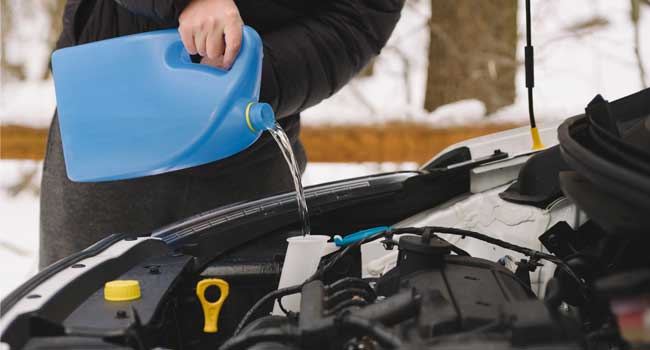
Please note when checking your fluid levels you should always do so when parked on a flat surface and once the engine has fully cooled, so at least eight hours after it was last driven.
Another check you should regularly be making is to do a visual inspection and make sure the vehicle is not damaged in any way.
This will be easiest to do just after the car has been cleaned as dirt may hide scuffs or paint blemishes from view. We also recommend completing the check on a dry day in good lighting as these will be the best conditions to detect any defects.
You’ll essentially want to do a slow walk around the vehicle to check for any new blemishes or damage. Five areas that you’ll particularly want to focus on are:
The glass work – check the windows around the entire vehicle not just the front and rear windscreen for any chips or cracks. These will need repairing if any are spotted and you should report these to your fleet manager.
The mirrors – make sure that they are all in good condition and operating correctly, for example if you have electronic wing mirrors these are not faulty.
The tyres – check all of the points we mentioned above.
The roof – a lot of drivers won’t usually look at the roof of their vehicle in daily use so you should make sure to take a detailed look at it when checking for damage.
The number plates – it can be easy for number plates to become damaged or dirty and this may make them unreadable, which is a crime, or cause them to fall from the vehicle becoming a hazard to you and other drivers.
You should be looking at the entire vehicle and not just these parts, but these are five areas that it can be easy to overlook issues with.
A company car will be managed by your business’ fleet management team and if you spot any damage or have any maintenance or repairs needed on your vehicle then you should report it to them as soon as you detect there is an issue. Making sure these issues are reported quickly will ensure that the repair work is completed promptly, avoids further damage being caused by the existing fault / damage and makes sure it is accurately logged with the fleet management team.
If you’d like to learn more about looking after your car, then why not take a look at our driver maintenance guides? You’ll find plenty of helpful tips and tricks to keep your car in the best condition possible as well as much more.
For all our latest news and blogs click HERE.
Or are you looking to understand the company car, fleet management or any other aspect of fleet vehicles? If so, then check out our Guide Pages.